
The Role of Storytelling in Video Production
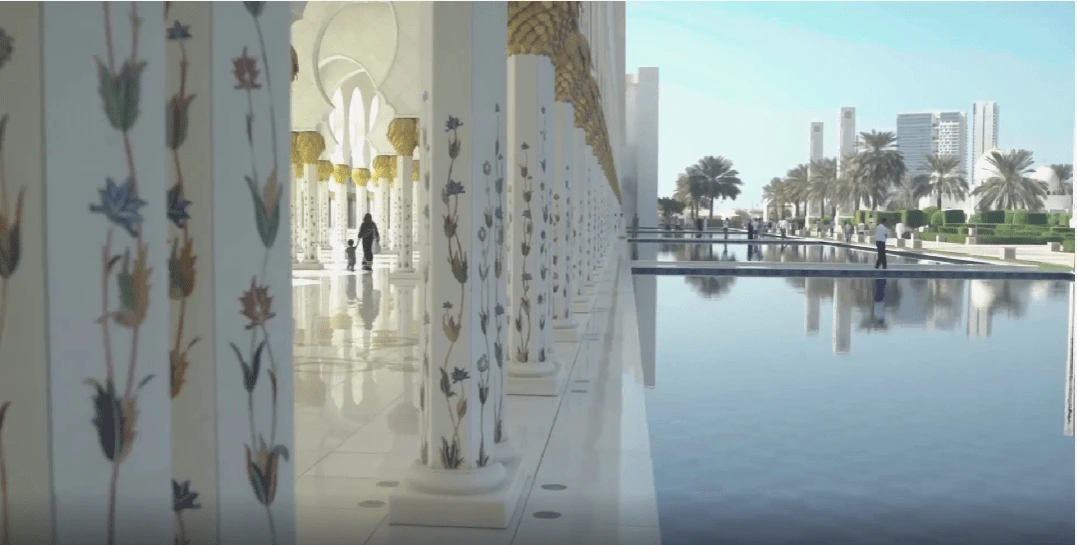
The most successful brands and campaigns rely on storytelling in video production because stories evoke emotion, introduce character, and create meaningful consequence. Whether launching a global campaign or unveiling a new service, a well-crafted narrative shapes whether your audience will watch, remember, and respond.
Why Storytelling Matters
Storytelling is fundamental to human connection. In video production, it gives structure and meaning to visuals. A strong story moves beyond product features or corporate messaging and focuses on themes audiences care about: ambition, resilience, innovation, or human connection.
Consider Nike’s recurring campaigns, which rarely dwell on technical specifications. Instead, they tell stories of individuals overcoming odds or achieving personal triumphs. The result is aspirational content that cements brand loyalty.
For architectural films, narrative transforms a structure into a character. It reveals intention, craftsmanship, and context through movement, light, and sound. The story lives in the detail, not solely in the design.
Essential Storytelling Elements
Effective video storytelling depends on several core elements:
Defined Characters
Whether a client, creator, or place, audiences need a subject to connect with. This might be a young architect shaping a first commission or a company reinventing a classic product.
Clear Structure
A purposeful beginning, middle, and resolution guide the audience through the narrative. The most compelling stories build anticipation, deliver insight, and leave a lasting impression.
Considered Setting
Context matters. The environment in which a story unfolds influences how it’s perceived. Is it intimate, monumental, or immersive? A film’s setting should complement its message.
Techniques for Telling Strong Stories Through Video
Visual storytelling relies on precise craft. This includes:
Purposeful Framing and Composition
Every frame should serve the narrative, guiding attention and reinforcing themes.
Pacing and Rhythm
Editing shapes emotion. A film’s tempo, transitions, and timing should be intentional, creating tension, relief, or reflection where needed.
Sound and Score
Music and sound design elevate narrative impact, reinforcing mood and tone without distraction.
At MassHouse, these considerations define every project, whether capturing a contemporary museum’s unveiling or a short documentary on sustainable urban development.
Proven Examples of Narrative-Led Campaigns
GoPro built an entire brand around authentic, user-generated storytelling, showcasing moments of risk, discovery, and achievement through its products. Apple’s “Shot on iPhone” series similarly centers human stories over technology specs, using everyday moments to express creativity and quality.
These campaigns succeed because their stories are clear, relevant, and emotionally charged.
Closing Thought
Storytelling in video production is not a creative indulgence; it’s a strategic necessity. It ensures that content informs, persuades, and endures.
If your next project requires film that not only looks exceptional but also carries meaning, we invite you to connect with us. At MassHouse, we build stories worth remembering.
Related services
Where we work
More from MassHouse